The best marathon training apps in 2026
Which app is most likely to carry you through one complete marathon build? We compare six options from starting mileage and long-run progression through broken weeks, taper and race-day execution. We build Rayvik and apply the same marathon-specific criteria to every app.
Best marathon training apps: quick picks
If you only need the short answer, start with the constraint most likely to break your training block.
| YOUR SITUATION | START WITH | COST | DEVICE FIT | MAIN TRADE-OFF |
|---|---|---|---|---|
| First marathon; you want a complete free plan |  Nike Run Club Nike Run Club | Free | Phone and Apple Watch | You repair disrupted weeks yourself |
| Target-time block; polished watch delivery matters most | Runna | $19.99/month or $119.99/year in the US | Apple Watch, Garmin, Fitbit and COROS | Recovery context is not the centre of the daily call |
| Sleep, injuries, travel or work regularly change the week |  Rayvik (ours) Rayvik (ours) | Free beta | iPhone and Apple Watch | Focused on one device ecosystem |
| Your Garmin already holds your training history | Garmin Run Coach | Included with compatible Garmin hardware | Compatible Garmin watches | Dense software and hardware lock-in |
| Missed sessions should trigger continuous replanning |  TrainAsONE TrainAsONE | Free tier; $9.99/month Premium in the US | Broad watch and platform support | Technical presentation and thin explanations |
Prices and compatibility were checked against official product pages and US listings on July 23, 2026. Regional pricing, trials and supported devices can change.
A marathon app has to do more than produce attractive workouts. It must start from load you can absorb, build enough durability, protect the spacing around long runs and remove work during taper. Choose the system you can still trust in week fourteen, not the one with the most impressive onboarding.
Compare all six apps across the full block
| APP | BEST MARATHON USE CASE | ACROSS THE TRAINING BLOCK | RACE EXECUTION | WHAT YOU TRADE |
|---|---|---|---|---|
| Runna | A target-time build with polished delivery | Paces, performance and schedule | Clear pace targets, strength and broad watch support | Recovery data is not the centre of the daily call |
| Rayvik (ours) | A context-heavy or easily disrupted build | Running, strength, recovery, injuries, life context and chat | One daily decision and conversational feedback on Apple Watch | Focused on iPhone and Apple Watch |
| Nike Run Club | A first marathon with free guided support | An 18-week structure; the runner repairs disrupted weeks | Audio guidance and a simple race build | Not a continuous adaptive planning loop |
| Garmin Run Coach | A device-native build for an existing Garmin owner | Daily workouts, missed runs, fitness and recovery | Structured workouts and guidance on the watch | Hardware lock-in and a dense software experience |
| TrainAsONE | An irregular schedule that needs recalculation | Future plan from completed and missed training | Broad device support with algorithmic pacing | Technical presentation and thin explanations |
 Athletica Athletica | A data-minded marathoner or multisport athlete | Fitness, fatigue, feedback and schedule | Detailed load, workout and endurance analysis | More platform than many first-time marathoners need |
Material capabilities checked against official product pages and US store listings on July 23, 2026. Prices are discussed in the individual reviews; regional pricing, plan availability and compatible devices can differ. We use no affiliate links.
Can the app protect the marathon block when a week breaks?
The most revealing test is not onboarding. It is the first disrupted week, when moving one workout can affect the next long run, the following quality day and accumulated fatigue.
| EVENT | WEAK RESPONSE | USEFUL COACHING RESPONSE |
|---|---|---|
| Missed long run | Move it to Monday automatically | Rebalance the week; protect recovery and the next key session |
| Four hours of sleep | Ignore it or cancel the whole plan | Combine sleep with recent load, symptoms and how the runner feels |
| Pain signal | Motivational copy or a diagnosis | Reduce load, explain uncertainty and recommend appropriate care |
| Fitness improves | Rewrite every pace after one heroic run | Recalibrate after repeated evidence while preserving easy days |
| Two-week interruption | Resume at the skipped week | Rebuild load gradually and reconsider the original race goal |
| Race week | Add fitness at the last minute | Protect freshness, clarify logistics and remove unnecessary work |
An app can help manage training load; it should not diagnose an injury or replace qualified medical care for persistent or severe symptoms.
6 marathon training apps, honestly compared
Runna — polished marathon execution, still plan-first
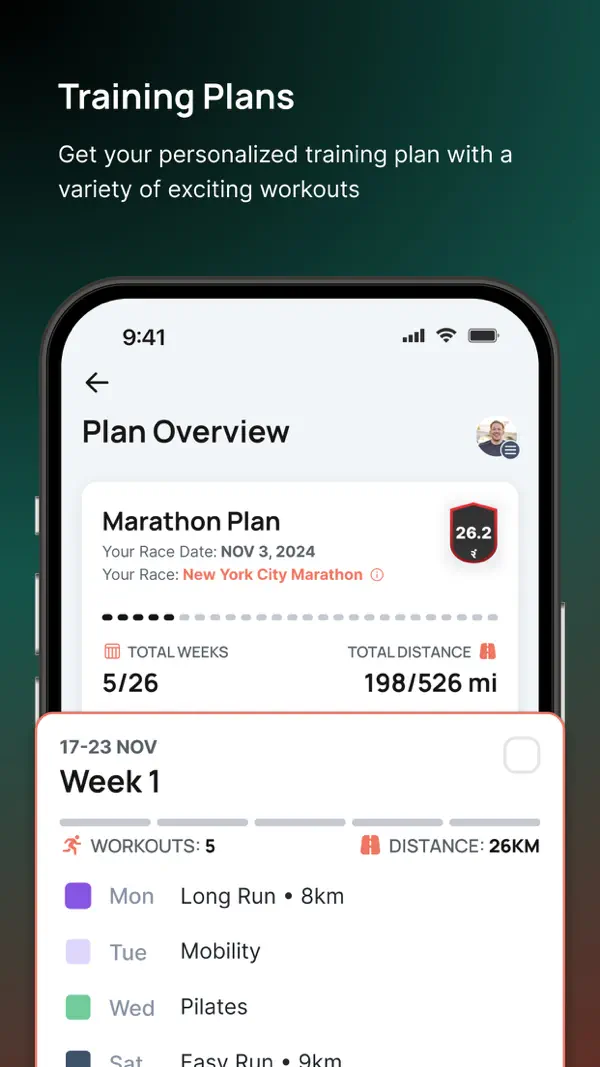
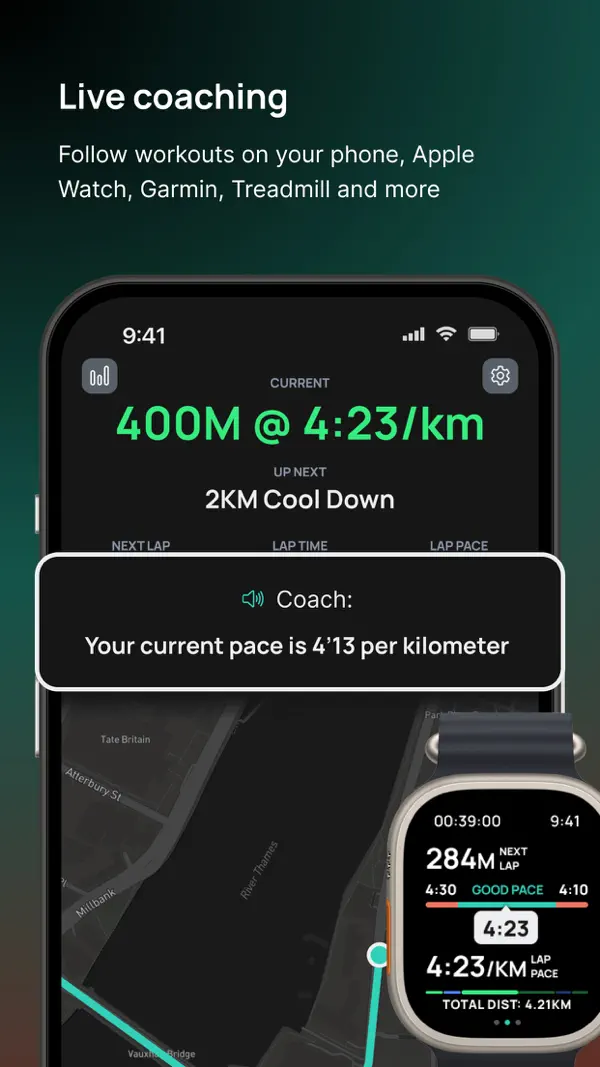
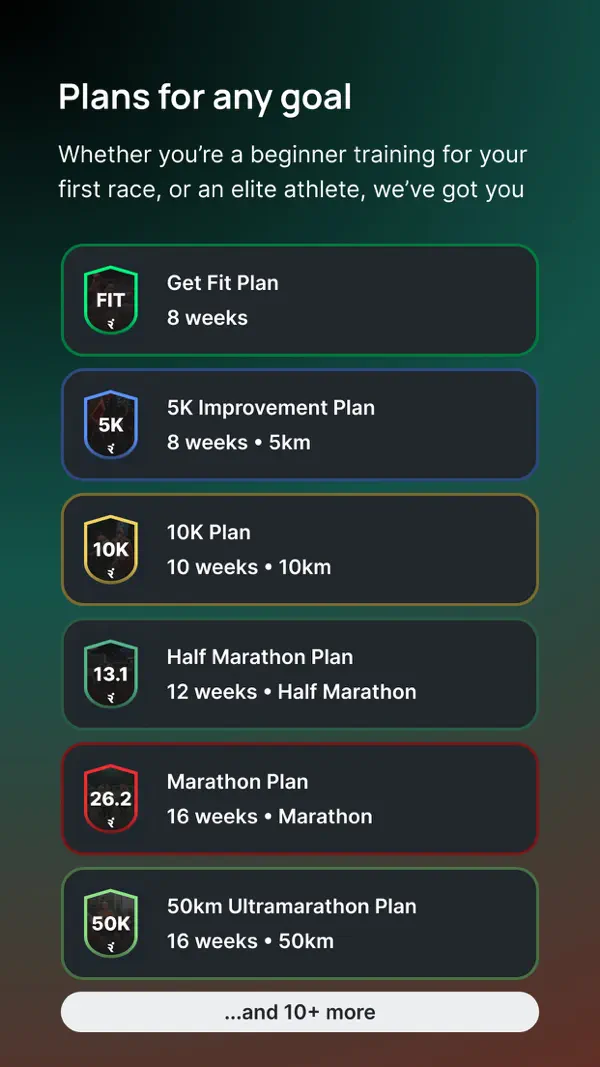
Runna builds a plan around your race, experience and schedule, then delivers prescribed sessions with clear pace targets. Strength work sits beside running, and the official pricing page lists Apple Watch, Garmin, Fitbit and COROS integrations. US pricing is $19.99 monthly or $119.99 annually, with a trial for eligible new users.
For a marathon, the benefit is less decision fatigue: the week is easy to scan, the watch knows the workout and the runner knows the target. Its limitation is the other kind of context. Performance can update paces and availability can reshape the schedule, but a tight calf, a bad night and a work flight are not the centre of one daily conversation. Runners who need a conservative build should still inspect how many hard elements sit in the same week. If that is why you are considering a switch, compare Runna replacements by the problem you need to fix.
- The most polished marathon-plan, workout and watch experience in this comparison.
- Clear pace guidance, strength support and broad device integrations.
- Broad watch support and a large user base make it a strong plan-first option.
- Still feels more like managing a plan than talking to a coach who knows the whole week.
- Recovery and injury context are less central than performance and scheduling.
- Ambitious runners should check that the intensity mix matches their durability.
Rayvik — for a disrupted or context-heavy marathon build
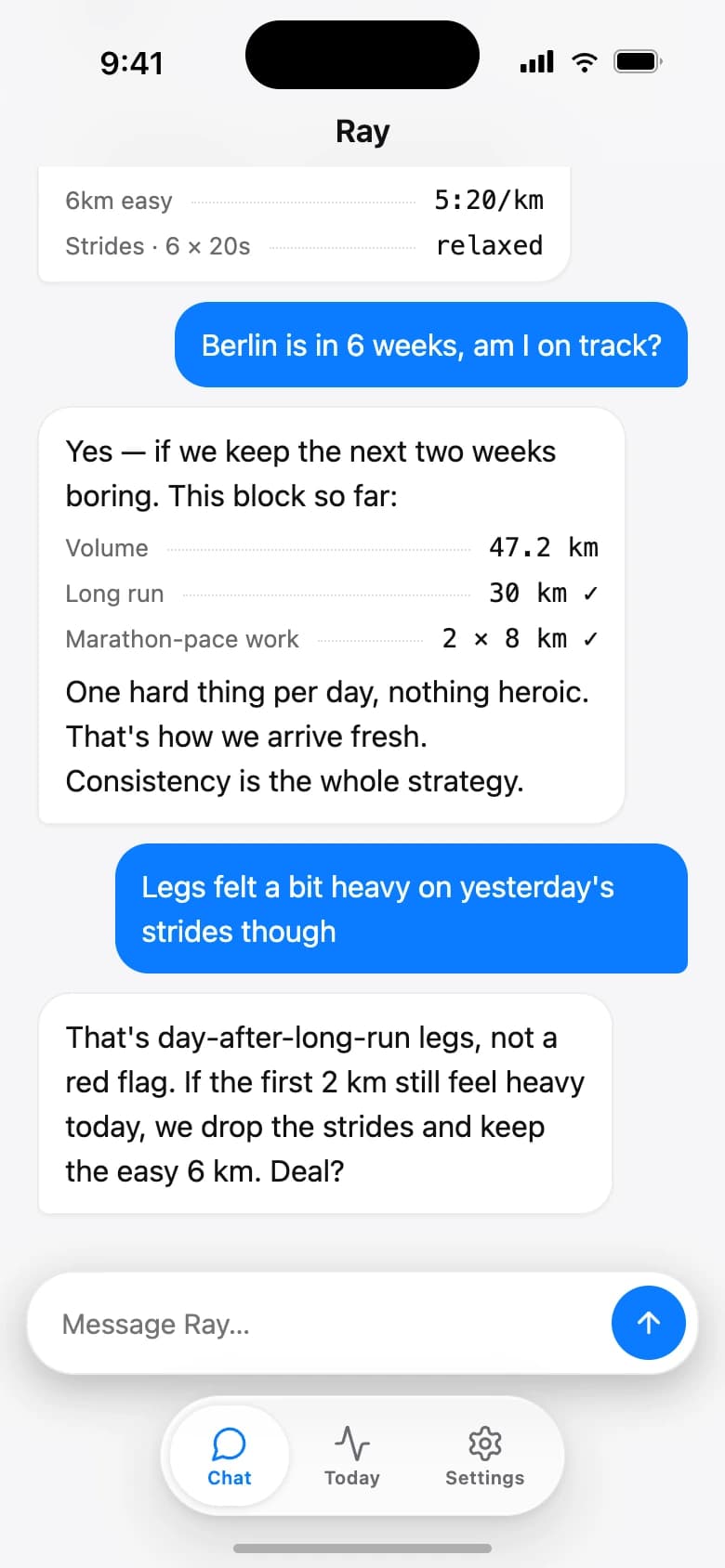
Rayvik is designed around iPhone, Apple Watch and a chat-first daily decision. Runs, sleep, HRV and resting heart rate can sit beside injury history, work travel and what the runner says. The intended result is simple: explain whether today should be rest, easy running, quality work or strength, then keep the marathon goal while moving the week around reality. Runners can talk to the AI coach in whatever language feels natural.
Rayvik is deliberately focused on iPhone and Apple Watch. That focus lets it keep marathon training, recovery, injury history, work travel and the runner's own words in one coaching relationship. Beta access is free for runners who want the app to carry that context and adjust the week instead of managing screenshots, exports and calendar edits themselves.
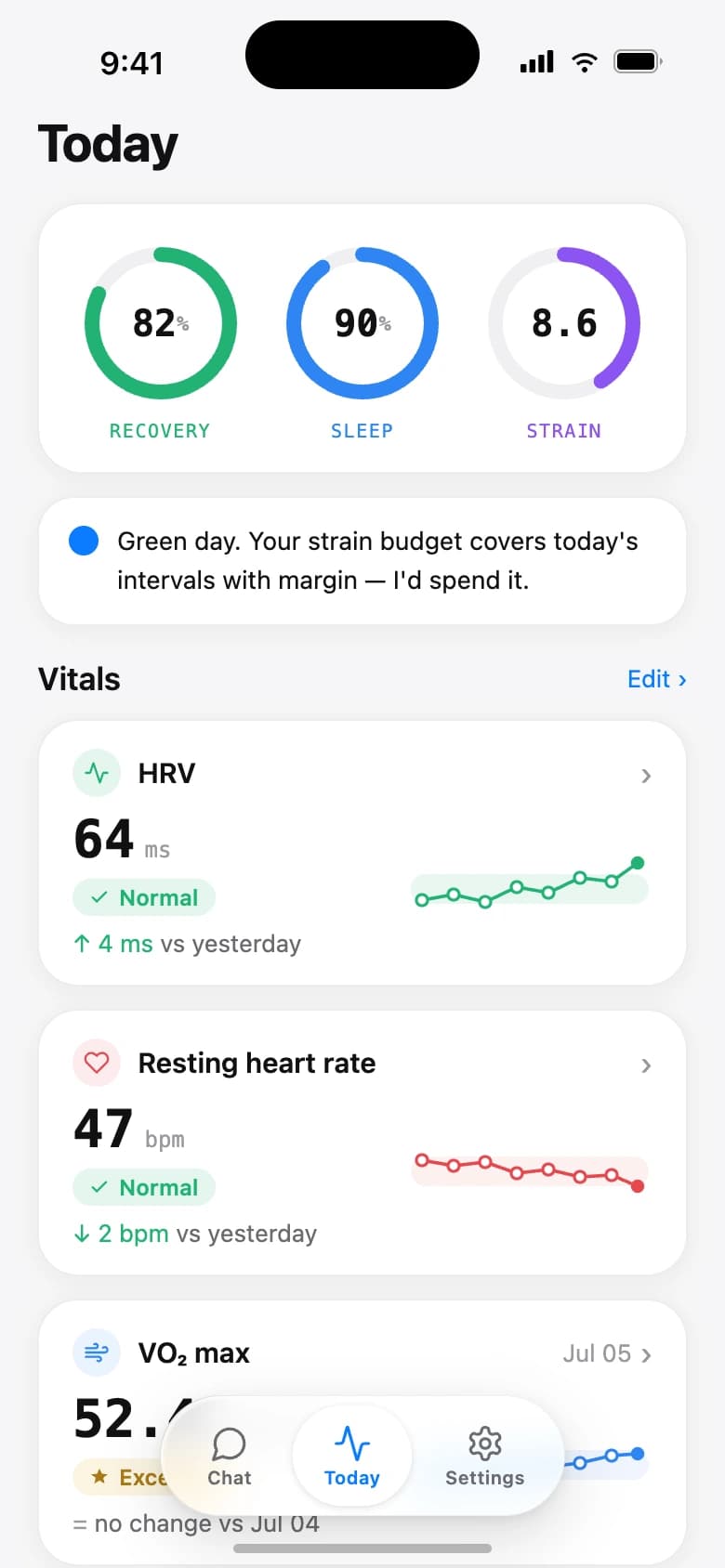
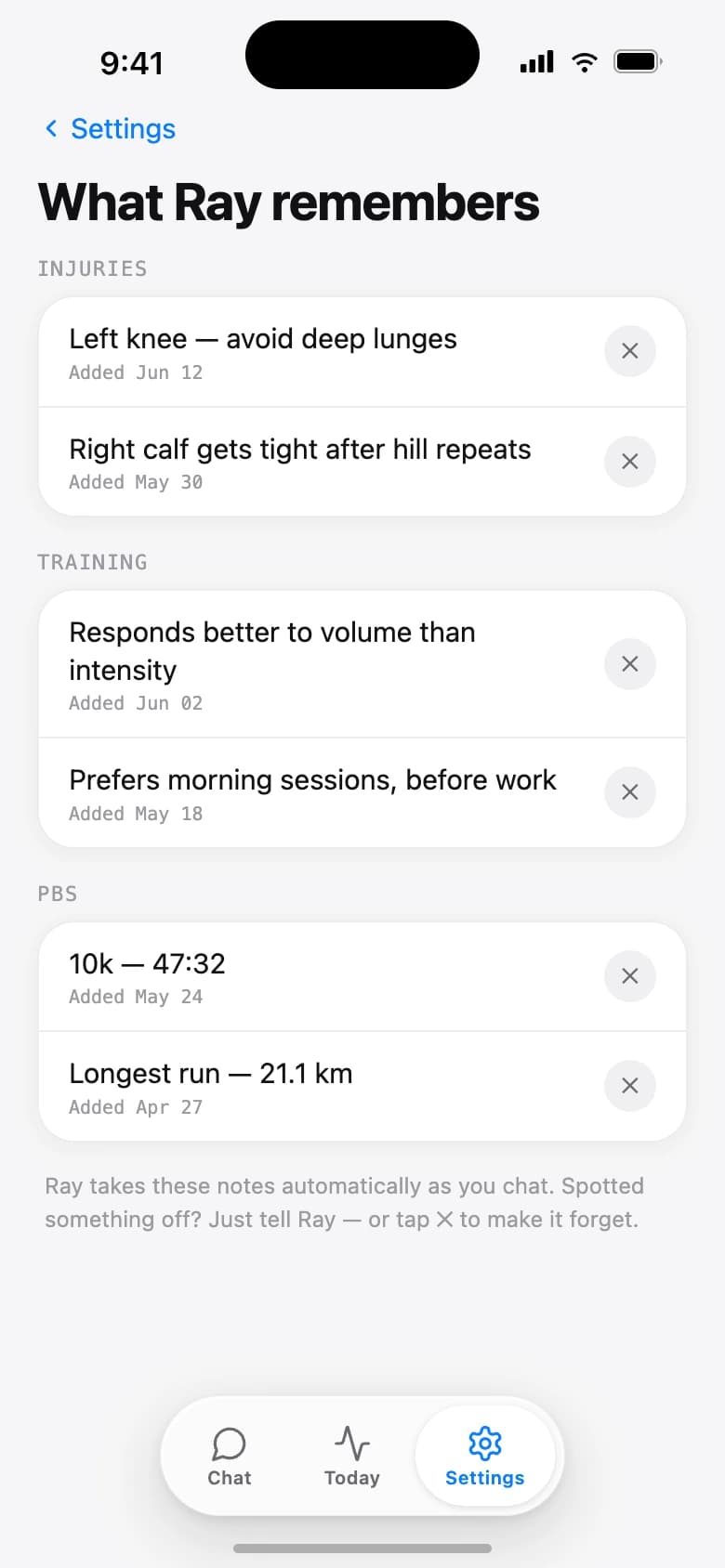
- Combines Apple Watch runs and recovery with injuries, schedule and conversation.
- Designed to explain one daily decision in plain language and remember the context.
- Handles running and strength in one coaching relationship; beta access is free.
- Currently built for iPhone and Apple Watch; other watch ecosystems are outside the current focus.
- Available through beta access rather than a broad public release.
Nike Run Club — the free first-marathon starting point
Nike's official marathon plan is built around 18 weeks of long runs, speed runs, recovery runs and rest days. Nike says runners can use it from 8 to 18 weeks out and choose 3, 4 or 5 running days. Guided Runs add practical cues, mindset and company during sessions, and the core experience is free.
That makes NRC especially good for a first marathoner who does not yet know a fartlek from a tempo run. “Flexible” should not be confused with “adaptive,” though. If work erases a week or your long run leaves you unusually sore, you are still the one deciding what to skip, repeat or reduce. Nike's own plan wording and availability can also differ by region and app version, so check the plan shown in your app before committing to a race date.

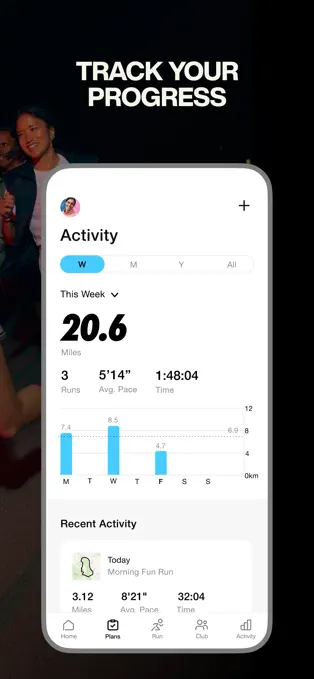
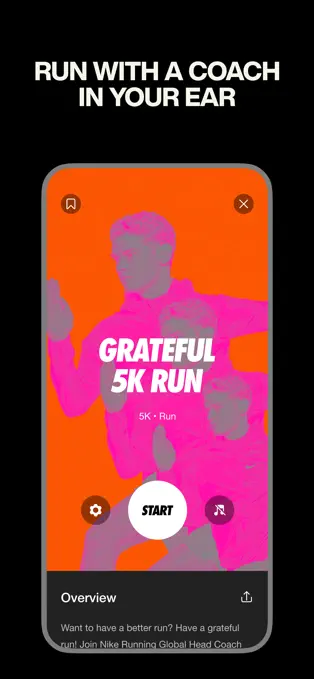
- Free marathon structure with guided long, speed and recovery runs.
- Audio coaching lowers the learning burden and makes solo sessions feel less solitary.
- Flexible weekly frequency is approachable for a first-time marathoner.
- The runner must repair missed weeks and interpret unusual fatigue.
- Less useful for athletes who want granular performance modelling or automatic recalculation.
- Plan availability and wording vary by region and app version.
Garmin Run Coach — device-native marathon coaching for watch owners
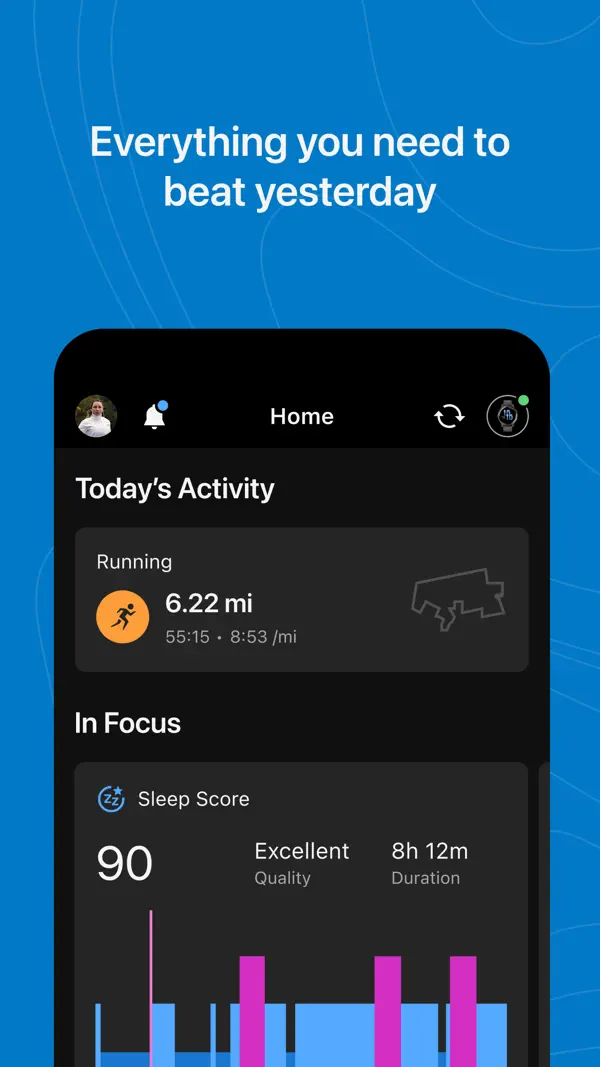
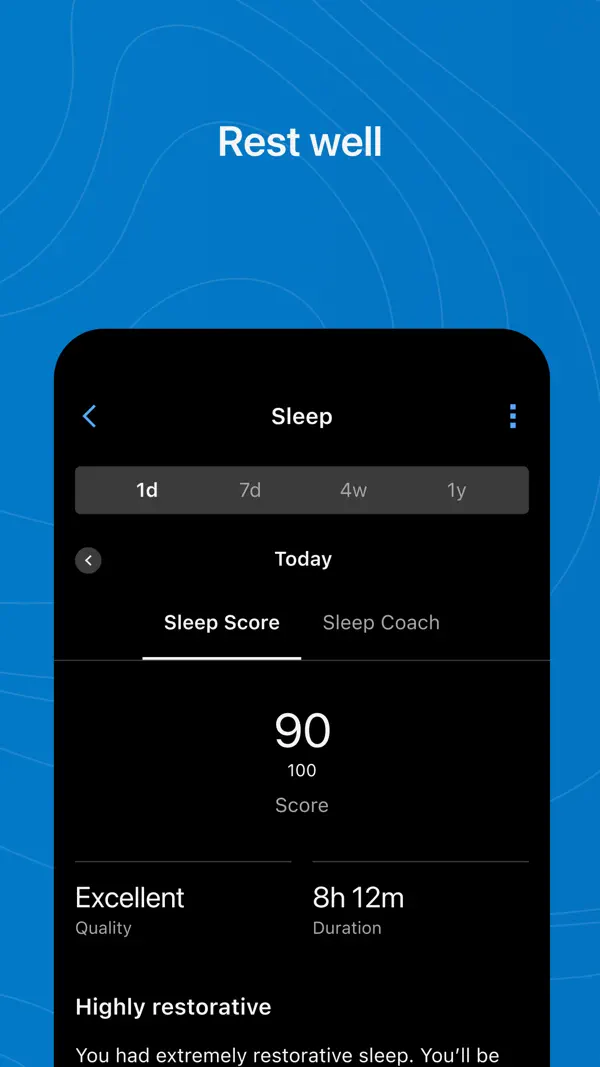
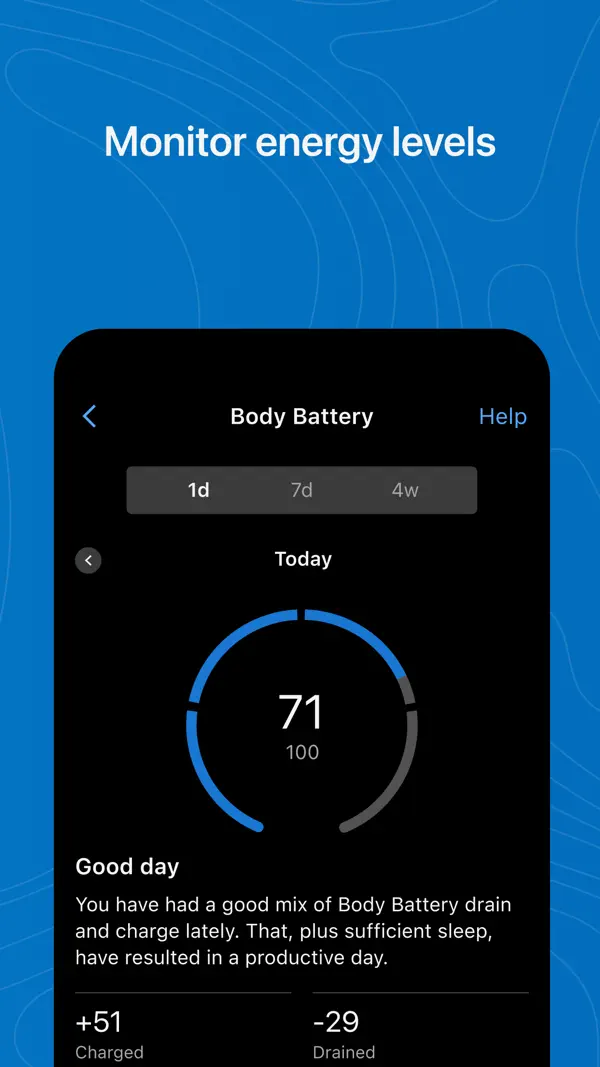
Garmin Run Coach creates personalized daily workouts for goals including the marathon. Garmin says it adapts after missed or extra workouts and can use VO2 max, lactate threshold, sleep, stress, recovery and training load on compatible devices. Long-run days can be designated, and the coaching is included with supported hardware rather than sold as another subscription.
My first-hand experience captures the trade-off. Spoken cues and heart rate were useful during the run; before and after it, the watch and phone experience felt fragmented and menu-heavy. The data is formidable, but the answer to “should I train today, and how hard?” can still take work to extract. You also need to wear the watch consistently—including during sleep—to give the recovery logic its best inputs. Check the current Garmin Run Coach documentation and compatible-device list.
- Uses performance, sleep, stress, recovery and training-load data on compatible watches.
- Automatically adjusts future training after missed or extra workouts.
- Included with supported Garmin hardware instead of adding a coaching subscription.
- Requires compatible Garmin hardware and consistent wear for the full feedback loop.
- Dense menus and overlapping training features create a learning curve.
- Automatic decisions can be easier to receive than to understand.
TrainAsONE — recalculation for irregular marathon weeks
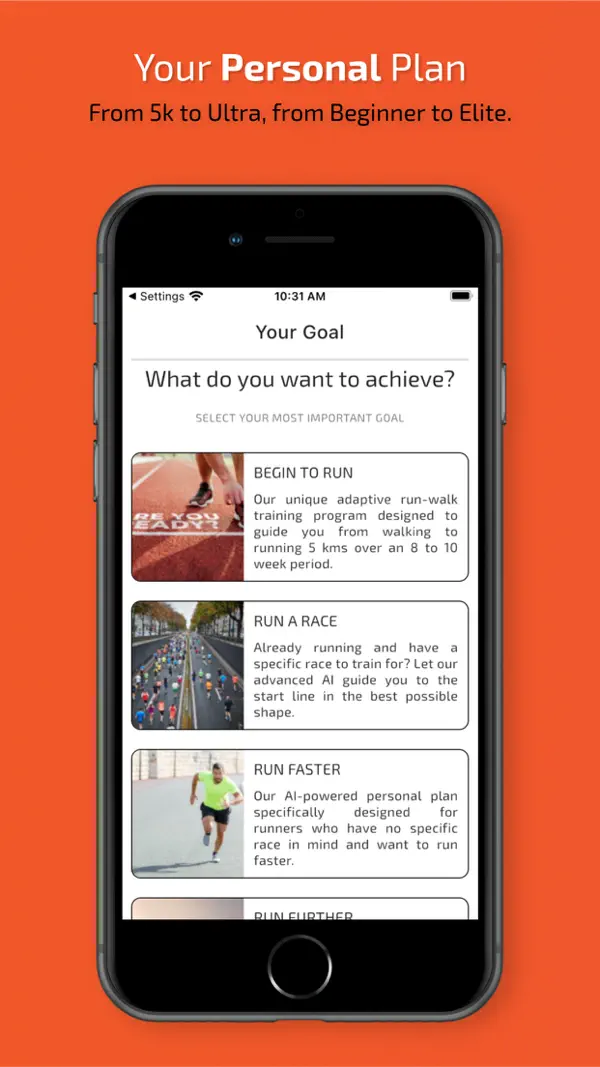
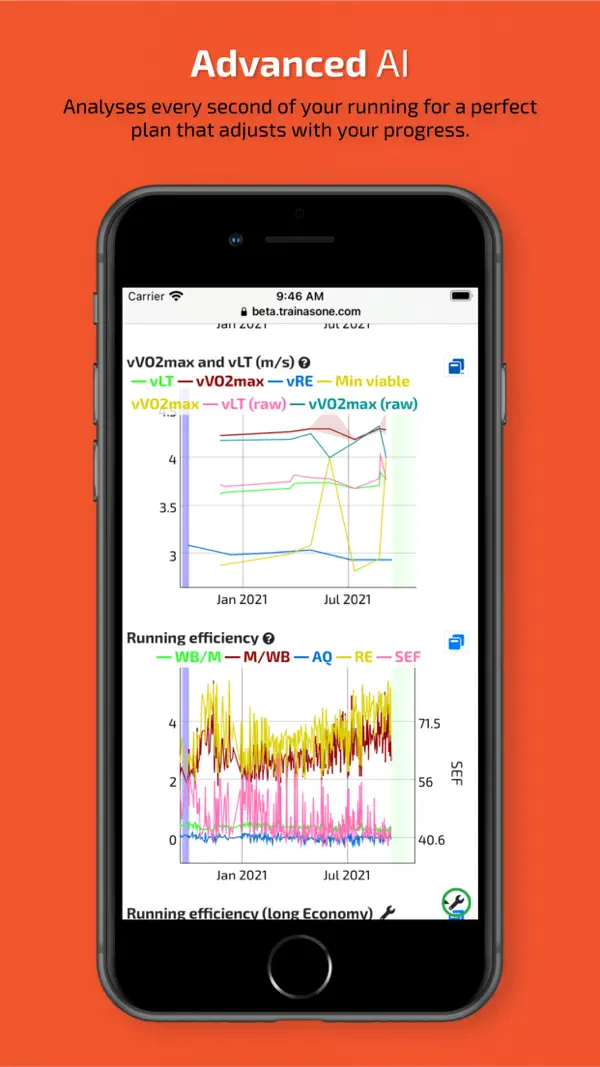
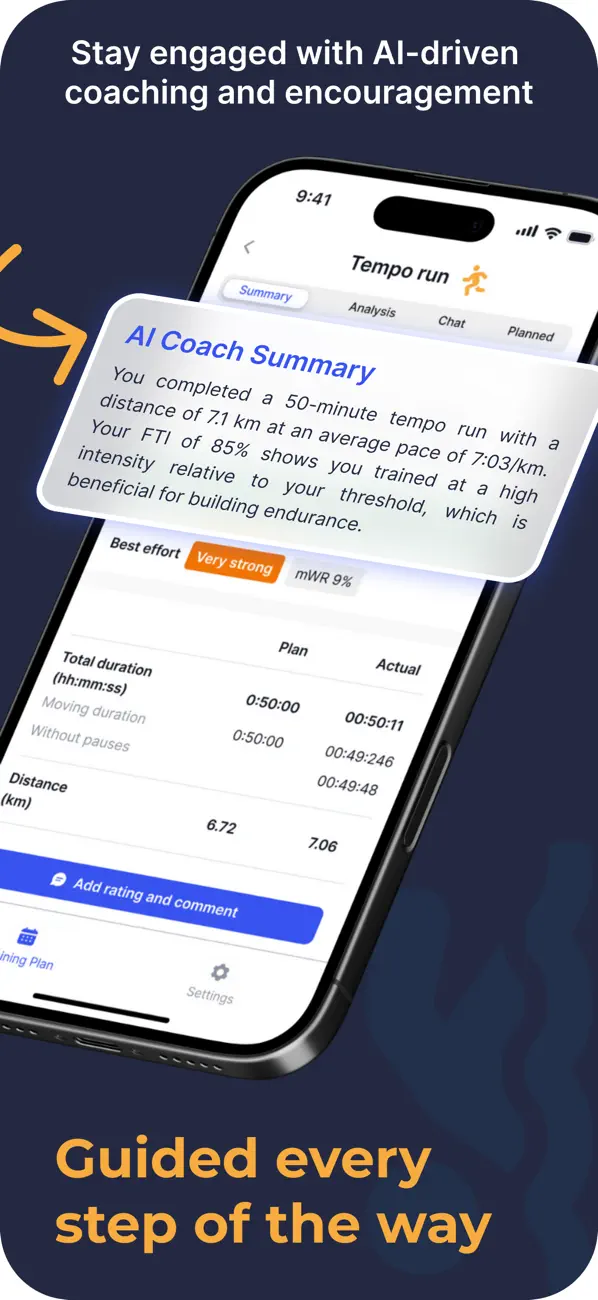
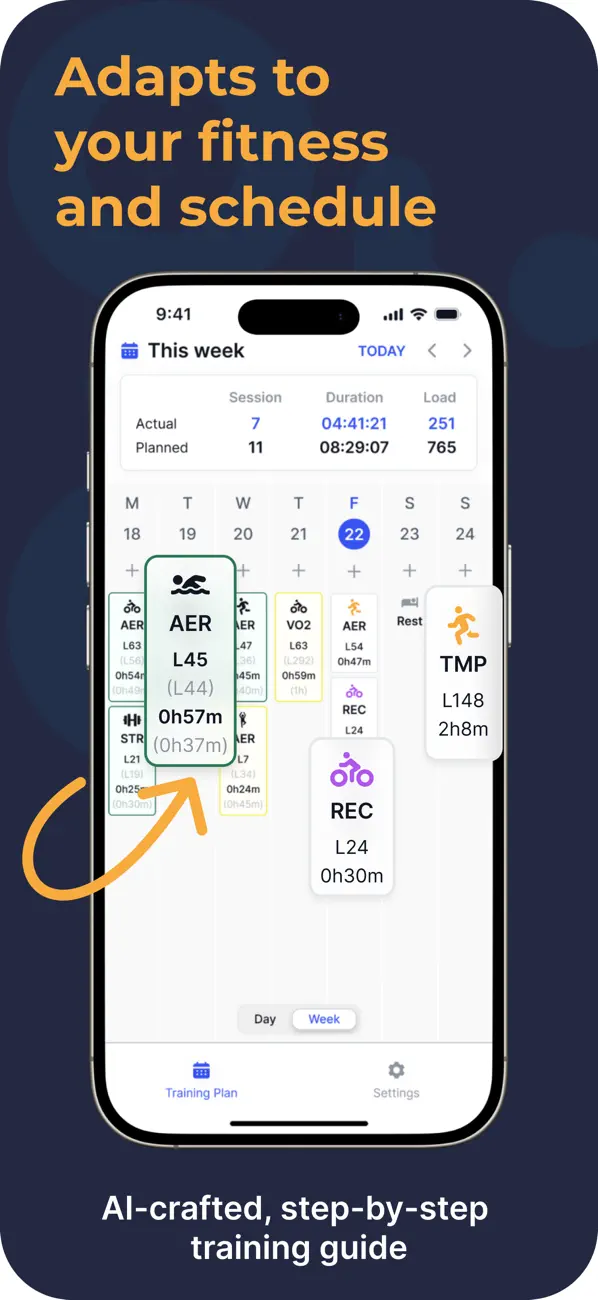
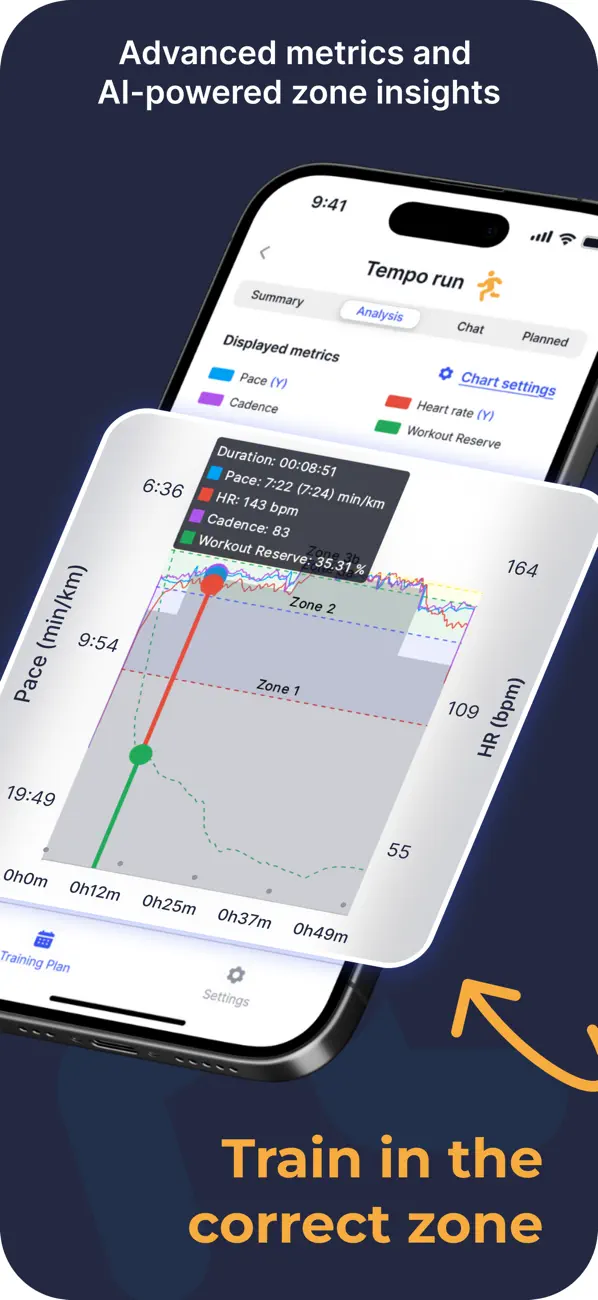
TrainAsONE analyzes completed training and keeps recalculating what comes next. It supports multiple goals, lets runners define when and how long they can train, and says missed or off-plan runs trigger plan changes. That is useful in a marathon block because one disrupted week should change more than the colour of a compliance score. The core tier is free; its US Premium price is $9.99 monthly or $101.99 annually at the time of checking.
The cost is interpretation. Charts, fit scores and training terminology can make the runner feel responsible for translating the model into a simple decision. An adaptive plan also has to earn trust: frequent changes are not automatically better if the product does not make the reason visible. Choose it for irregular availability and broad device support, not for the cleanest beginner experience.

- Continuous plan recalculation is the product rather than a decorative AI summary.
- Handles irregular availability, multiple goals and a broad device ecosystem.
- A real free tier makes it possible to test the planning loop before paying.
- The interface and vocabulary feel more technical than beginner-friendly.
- Frequent changes can be difficult to trust when the explanation is thin.
- The runner may still need another source to translate scores into a clear daily call.
Athletica — marathon depth for data-minded endurance athletes
Athletica is an adaptive endurance platform rather than a marathon-only app. It combines planning with pre-workout objectives, post-workout analysis, perceived-exertion logging and AI feedback. The product exposes more of the relationship between fitness, fatigue and load, which can suit a runner who also cycles, swims or trains for multisport events.
The same depth makes it less suitable for a first marathoner who wants simple guidance. Its smaller public review base also provides less independent validation than Runna, Nike or Garmin. A free trial is available; verify current regional pricing and integrations before moving a live training block.
- Strong endurance-science framing across running and multisport training.
- Combines planning, workout analysis, athlete feedback and schedule changes.
- Makes more of the fitness, fatigue and load model visible to the athlete.
- More platform than many beginner marathoners need.
- Training-load concepts add cognitive overhead before the daily answer.
- A smaller public review base makes independent validation harder.
How we evaluated the apps
“Tested” is easy to overstate in app comparisons. We have used some of these products, including Garmin and general AI tools, but we have not completed a full marathon block in all six. Where we lack first-hand mileage, we rely on current official documentation, store releases and public runner feedback—and label judgment as judgment.
- Marathon architecture. Long-run progression, easy volume, quality work, taper and strength support.
- Schedule repair. Whether one missed workout changes the week instead of creating a pile-up.
- Recovery and restraint. Whether fatigue can lead to less training, not just another coloured score.
- Workout execution. Watch support, pace or heart-rate cues, and friction before a run.
- Explanation. Whether the runner can understand why a pace, workout or week changed.
- Practical fit. Price, device lock-in, learning curve and the likelihood you keep using it.
How to test a marathon app in seven days
Do not spend the trial admiring onboarding. Recreate the week most likely to break your plan.
- Enter a conservative baseline. Use recent weekly mileage and a repeatable race result, not your best-ever fantasy week.
- Create a disruption. Move or miss the long run and inspect what happens to the whole following week.
- Check the easy days. A good app should make easy running easy enough to support the long run and quality work.
- Inspect the watch experience. Confirm the exact workout, alerts and target ranges reach the device you will race with.
- Ask why. If the plan changes, look for a reason you can understand rather than trusting motion itself.
- Look for a handbrake. The system should be capable of prescribing less when the evidence says less.
Marathon training app FAQs
What is the best marathon training app for beginners?
Nike Run Club is the strongest free starting point for a first marathon because its guided runs reduce the learning burden. Runna is the polished paid choice when you want a calendar, clear pace targets and workouts delivered to your watch. Rayvik is the coach-first choice when recovery and life context need to shape the day.
What is the best free marathon training app?
Nike Run Club is the best fully free guided marathon option in this comparison. Its official marathon plan is built around 18 weeks of long, speed and recovery runs. TrainAsONE has a free tier with more algorithmic adaptation, while Garmin Run Coach is included if you already own a compatible Garmin watch.
Is Runna worth paying for for a marathon?
Runna is worth considering if a polished schedule, structured watch workouts, strength support and clear pace guidance will improve your consistency. It is harder to justify if you mainly need free structure or expect sleep, injury history and life context to drive every daily decision.
Does Garmin Coach support marathon training?
Garmin Run Coach supports marathon goals on compatible devices. Garmin says it can adjust daily workouts after missed or extra training and use performance, sleep, stress, recovery and training-load information. Exact features depend on the watch, so check compatibility before relying on it.
Which marathon training app works best with Apple Watch?
Rayvik is built specifically around iPhone and Apple Watch for runners who want recovery, injuries, memory and life context to shape one daily decision. Runna is the polished calendar-first option, and Nike Run Club is the strongest free guided option.
Can a marathon app adjust after a missed long run?
Some can. Garmin Run Coach and TrainAsONE explicitly recalculate future training, while plan-first apps may let you move sessions or change availability. A useful adjustment should rebalance the whole week rather than simply place the missed long run beside the next hard workout.
Is a marathon training app enough without a human coach?
For many recreational runners, an app can provide enough structure, pacing and routine adjustment to complete a marathon. A human coach remains more useful for complex injury history, technique, race psychology and ambiguous symptoms. Persistent or severe pain should be assessed by a qualified clinician, not diagnosed by an app.
Sources & notes
We build Rayvik, which is included in this comparison. Product details were checked against official sources on July 23, 2026. We use no affiliate links.
References: Runna, Nike's marathon plan, Garmin Run Coach, TrainAsONE and Athletica. Corrections: hey@rayvik.app.